A Beginner’s Guide to Intermittent Fasting: Does It Work?
Have you heard about intermittent fasting? It is one of the most popular health and diet trends globally, with high interest in India’s urban fitness circles. Many people are asking questions about its effects on weight loss and overall health. This trend has seen sustained high interest, with over 100,000 monthly impressions globally. However, starting can feel confusing. This beginner’s guide to intermittent fasting will explain everything you need to know.
We will explore what intermittent fasting is, how it works, and the most popular methods. Consequently, you will have the knowledge to decide if this eating pattern is right for you.
Understanding Intermittent Fasting: A Beginner’s Overview
Intermittent fasting is not a diet in the traditional sense. Instead, it is an eating pattern that cycles between periods of eating and fasting. It doesn’t tell you what to eat, but rather when to eat. Humans have practiced fasting for centuries, but it has recently become a popular wellness trend. The core idea is to give your body a regular break from digesting food.

Popular Intermittent Fasting Methods
There are several ways to practice intermittent fasting, and different ways to prep food during intermittent fasting. Below are some of the most common schedules.
The 16/8 Method
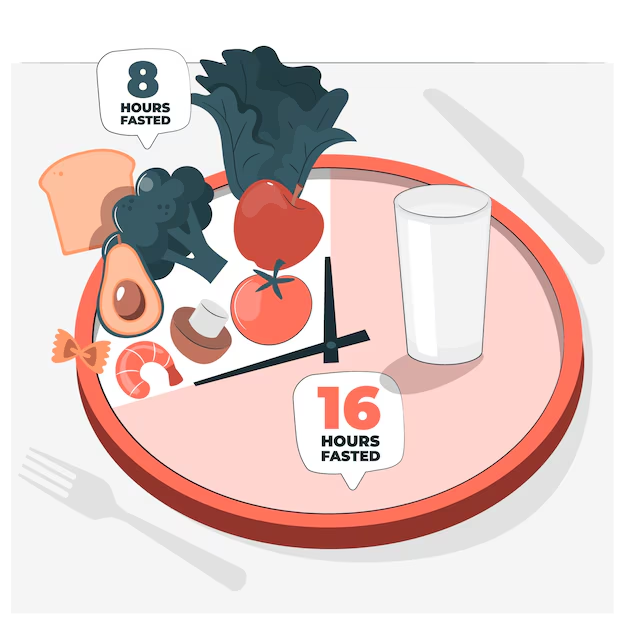
This is the most popular method. It involves fasting for 16 hours each day and restricting your eating to an 8-hour window. For example, you might eat all your meals between 12:00 PM and 8:00 PM. Then, you would fast from 8:00 PM until 12:00 PM the next day. Many people find this schedule easy to follow.
The 5:2 Diet
The 5:2 diet involves eating normally for five days of the week. On the other two non-consecutive days, you restrict your calorie intake significantly, usually to around 500-600 calories. For instance, you could choose to restrict calories on Mondays and Thursdays while eating normally on all other days.
Eat-Stop-Eat
This method involves a full 24-hour fast once or twice a week. For example, you could finish dinner on a Tuesday at 7:00 PM and not eat again until 7:00 PM on Wednesday. This approach is more challenging and may not be suitable for everyone.
Potential Health Benefits
People explore intermittent fasting for many reasons, often related to its potential health benefits. While research is ongoing, some studies suggest it may help with weight management and other health markers. For a detailed overview of the possible benefits, you can refer to authoritative sources like WebMD’s guide on intermittent fasting.
It’s important to approach any new eating pattern with the right information. If you have questions about how different foods affect your health, it’s always good to seek answers. For example, a common question people have is, “Can you eat raw sausage?”, which highlights the importance of food safety in any diet.

Is Intermittent Fasting Right for You?
Ultimately, the best approach to health is one that you can sustain long-term. Intermittent fasting is a major lifestyle change. Before you start, it is crucial to consider your personal health and goals.
First, think about your daily routine. Does an 8-hour eating window fit your work schedule and social life? Furthermore, you should listen to your body. Some people feel energized while fasting, while others may feel tired or irritable. It is important to drink plenty of water and not push your body too hard, especially when starting out.
This beginner’s guide to intermittent fasting is meant to provide a starting point. Consulting with a doctor or a registered dietitian before making significant changes to your diet is always the best course of action. They can help you make an informed decision based on your individual health needs.