Introduction
Even the most enthusiastic home cooks encounter everyday cooking blunders that can spoil the taste, texture, or appearance of a dish. Whether you’re a beginner or seasoned home chef, avoiding these common mistakes can drastically improve your meals.
This guide highlights 5 of the most frequent kitchen errors, especially in Indian cooking, along with clear, practical solutions. Mastering these basics will elevate your confidence and help you cook delicious, balanced meals every time.
1. Not Preheating the Pan or Appliance
The Mistake:
Adding ingredients to a cold pan or air fryer means your food will cook unevenly, stick to the surface, and won’t get that delicious sear or crisp finish.
Why It Matters:
Heat activates the Maillard reaction—a process that gives meats, vegetables, and even bread their characteristic browned flavor. Without it, food turns soggy or pale.
How to Avoid It:
- Always preheat pans or air fryers for at least 2–3 minutes before cooking.
- For stovetop cooking, heat the pan first, then add oil. Once the oil shimmers, add your ingredients.
- For air fryers, most models have a preheat setting—use it to ensure even cooking from the start.
Pro Tip:
Preheating also reduces cooking time and helps retain moisture, especially important in Indian curries and stir-fries.
2. Overcrowding the Pan
The Mistake:
Cramming too many vegetables, meats, or cutlets in a pan or air fryer basket at once causes them to steam instead of sear or fry.
Why It Matters:
Too much food reduces the temperature of the cooking surface. This traps moisture, preventing browning and causing uneven texture.
How to Avoid It:
- Use a wider pan or air fry in multiple small batches.
- Leave some space around each item—especially for paneer, fish, or cutlets.
- In air fryers, shake the basket halfway through to redistribute heat evenly.
Example:
If you’re making Aloo Tikkis or Chicken Cutlets, air fry no more than 3–4 pieces at a time for crisp, golden results.
3. Cooking at the Wrong Temperature
The Mistake:
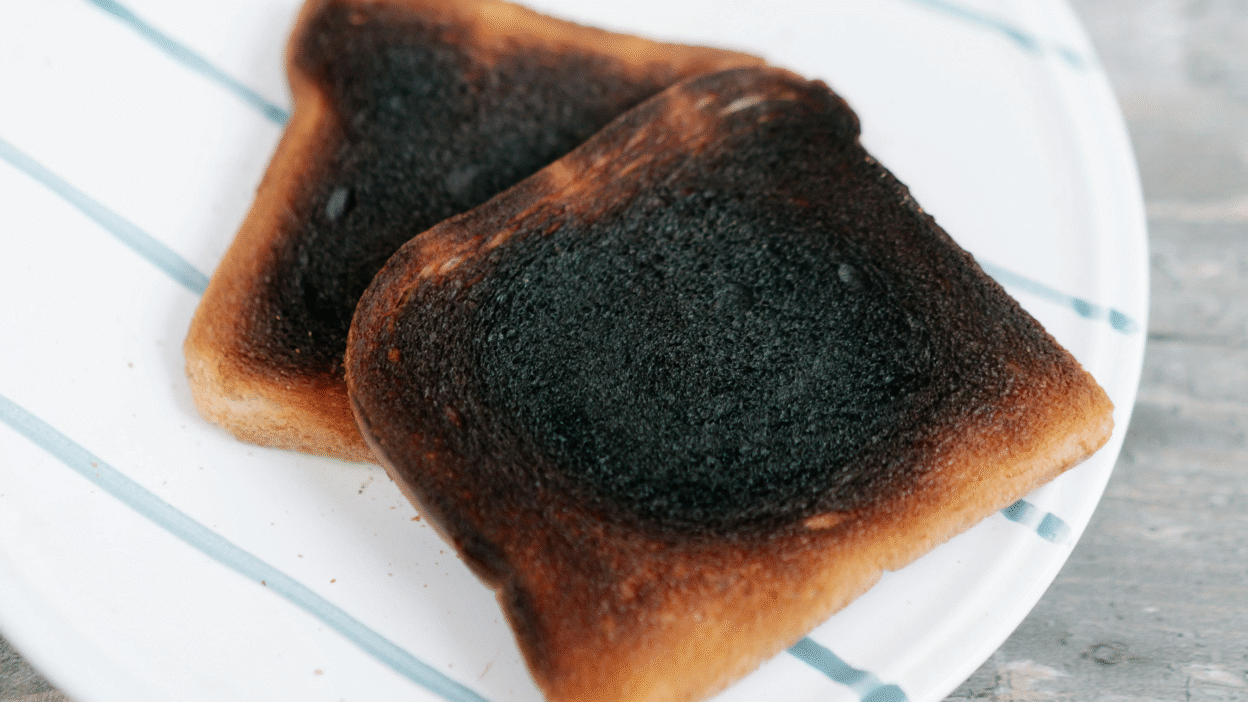
Using high heat throughout the cooking process can lead to burnt spices, overcooked exteriors, and raw interiors—especially in meat and thick sabzis.
Why It Matters:
Temperature control is key in Indian cooking, where delicate spices and tempering techniques are used. Too much heat can destroy flavor and texture.
How to Avoid It:
- Use high heat for initial searing only (e.g., browning onions or meats).
- Reduce to medium or low heat for simmering dals, gravies, or cooking spices.
- Monitor flame size or appliance settings and adjust as needed.
Pro Tip:
Use a heavy-bottomed kadhai to distribute heat evenly and prevent burning at high temperatures.
4. Under-Seasoning or Adding Salt at the End
The Mistake:
Adding all your salt and spices at the end of cooking limits flavor development and leads to bland or unevenly seasoned food.
Why It Matters:
Spices and salt need time and heat to infuse into ingredients. Adding them late can make the dish taste flat or overly salty in certain bites.
How to Avoid It:
- Season in layers. Add a little salt while sautéing onions, then more when adding tomatoes or proteins.
- Taste as you go and adjust gradually.
- Understand your spices. For example:
- Turmeric: Add early in oil.
- Garam Masala: Add at the end.
- Cumin/Mustard Seeds: Temper in hot oil before adding anything else.
Quick Reference Table:
| Spice/Seasoning | When to Add |
|---|---|
| Cumin seeds | Start (in hot oil) |
| Turmeric | After onion or tomato base |
| Red Chili Powder | Midway with masalas |
| Garam Masala | End (final 2–3 mins) |
| Salt | In layers during cooking |
5. Constantly Stirring or Flipping
The Mistake:
Hovering over the pan and flipping or stirring too frequently prevents food from browning and developing flavor.
Why It Matters:
Searing and caramelization take time. Constant movement disrupts this process, especially for cutlets, paneer, or dosa.
How to Avoid It:
- Let food sit untouched for a few minutes before flipping.
- Flip or stir only when there’s a natural crust forming or to prevent burning.
- For air fryer recipes, shake once mid-cooking—not more.
Examples of Where This Applies:
- Paneer Tikka: Flip once at the halfway mark.
- Chicken Tikka: Let sear properly before turning.
- Aloo Patties: Press gently but don’t stir or move constantly.
Bonus Tip: Mismanaging Moisture
The Mistake:
Washing vegetables and adding them to the pan without drying them properly can release excess water, leading to soggy stir-fries and diluted gravies.
How to Avoid It:
- Pat vegetables dry with a kitchen towel before sautéing or air frying.
- Drain marinated items before cooking.
- Cook off moisture with high heat before covering the pan.
Conclusion
Cooking isn’t just about recipes—it’s about technique. By recognizing and avoiding these common mistakes, you’ll not only improve the quality of your meals but also make the process more enjoyable.
Remember:
- Preheat always.
- Cook in batches.
- Control heat.
- Season gradually.
- Stir only when necessary.
Whether you’re preparing a simple bhindi fry or a full thali meal, these small shifts will transform your kitchen confidence.